 Purpose Statement

Our VHR Mission The purpose of VHR is to position Human Resources as a strategic contributor to business performance rather than a purely administrative or compliance-focused function. Our VHR Human Resources Business Partner (HRBP) model delivers the greatest value to an organization when they possess a deep understanding of the business model, operational drivers, and financial realities. This business acumen enables the HRBP to align people strategies directly with revenue growth, labor cost control, leadership effectiveness, and customer experience. Rather than operating reactively or administratively, the HRBP becomes a strategic advisor who anticipates workforce needs, mitigates risk, strengthens management capability, and drives measurable improvements in profitability and retention. In this model, HR is not a support function alone, but a contributor to competitive advantage. Specifically, VHR works with you as an HRBP in order to: Retail performance is driven by traffic, conversion, average transaction value, and labor productivity. An HRBP who understands these drivers can design hiring profiles, staffing models, incentive plans, and performance management systems that directly support sales growth. This ensures HR initiatives reinforce, rather than compete with, the business’s revenue objectives. 2. Improve Labor Cost Management and Profitability Labor is one of the largest controllable expenses in retail. An HRBP with business knowledge can advise on scheduling efficiency, overtime controls, workforce mix, and turnover reduction strategies that protect margins without compromising customer service. This enables HR to be a contributor to profitability, not just a compliance function. Retail businesses experience seasonality, promotions, and market shifts. When your VHR paersonal manager understands sales cycles and growth plans can anticipate staffing needs, mitigate talent shortages, and support rapid scaling. This reduces operational disruption and supports consistent execution during peak demand periods. 4. Promote Stronger Managerial Effectiveness at the Store Level We can provide support outside regular business hours and be accessible to employees, with a realistic expectation of the turnaround time regarding their concerns. Understanding store operations, scheduling practices, and frontline behavior allows your VHR partner to identify compliance risks before they result in claims, fines, or reputational damage. HR guidance becomes preventive and integrated into daily operations rather than corrective after issues arise. 6. Inspire Higher Employee Engagement and Retention Employees are more engaged when HR policies reflect the realities of their work environment. A VHR partner who understands retail roles, workloads, and customer-facing pressures can help design fair, realistic policies and career pathways, resulting in lower attrition and stronger employee commitment. When HR speaks the language of the business, leadership views the HRBP as a strategic advisor rather than an administrative function. This credibility increases adoption of HR recommendations and accelerates decision-making across the organization. 8. Improve Customer Experience and Brand Consistency Staffing quality, training effectiveness, and leadership behaviors directly impact customer satisfaction. An HRBP who understands how people decisions affect the customer experience can align HR practices to brand standards, service expectations, and store-level execution. Business knowledge enables your HRBP to interpret workforce data in context, connecting metrics such as turnover, absenteeism, and engagement to sales, shrink, and customer outcomes. This allows leadership to make informed decisions grounded in both people data and financial performance. 10. Provide Stronger Long-Term Partnership Value Ultimately, understanding the retail business allows the HRBP to move from a service provider to a value-creating partner. HR becomes an integrated component of the retail strategy, delivering measurable improvements in profitability, efficiency, and organizational stability.
 1. Align HR Strategy with Revenue Drivers
 3. Create More Effective Workforce Planning and Scalability

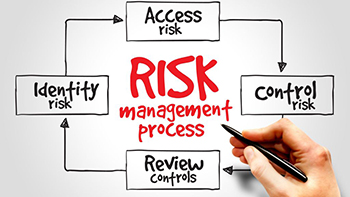 5. Provide Proactive Risk Management and Compliance
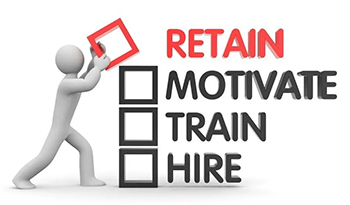
 7. Enhance HR Credibility with your Managers | Leadership
 9. Provide Data-Driven Decision Support

Request your FREE virtual consulation today